 OpenModelHub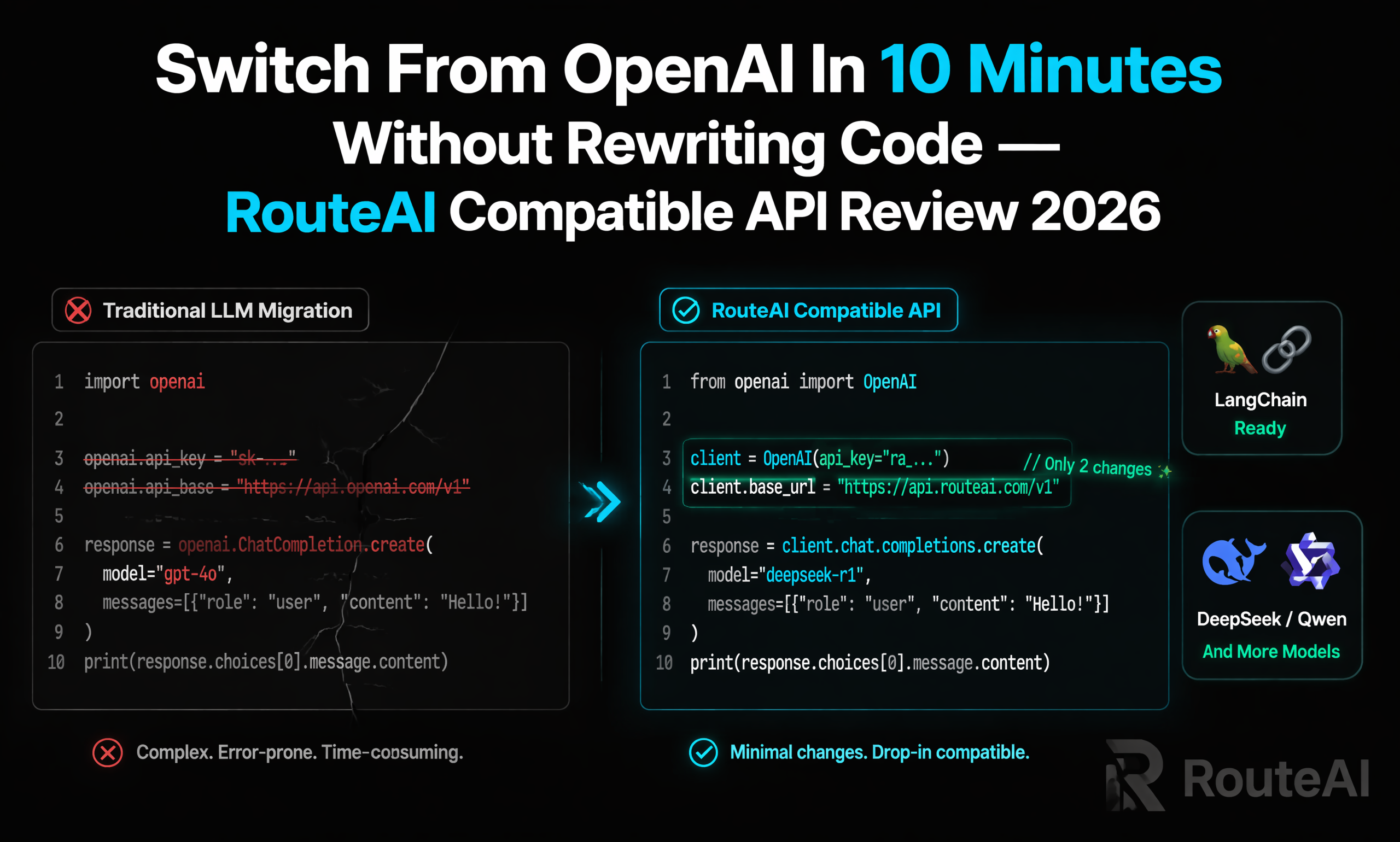
Last quarter we almost gave up on switching away from OpenAI to cut costs. We spent 3 engineering days trying to integrate a cheaper LLM provider, only to find their API used different parameter names, didn’t support streaming responses, broke function calling in our LangChain agent, and threw custom error codes our entire error handling system didn’t recognize. We rolled back the change and ate the high OpenAI bill for another 2 months, until we tried RouteAI. We migrated our entire production chatbot in 10 minutes by changing exactly two lines of code: the base URL and API key. No refactoring, no broken features, zero downtime.
Why Switching LLM Providers Is Such A Headache For Developers
Most developers who want to move away from OpenAI for lower prices or better rate limits hit the same wall: every LLM provider builds their own custom API format. Request structures differ, parameter names change, streaming response formats don’t match, tool/function calling works differently, and error codes are custom for every platform. If you built your app on the OpenAI SDK, switching to a different provider means rewriting every API call, updating all your error handling, testing every feature, and fixing broken integrations with ecosystem tools like LangChain, LlamaIndex, Dify or AutoGPT that are built natively for OpenAI format.
For small teams and side project developers, that’s weeks of wasted engineering time just to change an API endpoint. Many teams give up entirely and keep paying premium OpenAI prices, even when cheaper, equivalent models exist, because the migration cost is too high. That’s the exact pain point an OpenAI-compatible API gateway solves.
Core Benefits Of RouteAI 100% OpenAI-Compatible API
RouteAI is built from the ground up to match the official OpenAI API specification exactly, so every feature that works with the official OpenAI SDK works out of the box with RouteAI, no code changes required. You don’t have to rewrite your application, update dependencies, or fix broken integrations to switch providers:
1. Exact OpenAI SDK Compatibility, All Features Supported
Every method in the official OpenAI Python/Node.js/Go/Java SDK works identically on RouteAI: chat completions, streaming responses, function/tool calling, JSON mode, image inputs, embeddings, and fine-tuned model requests. We tested every endpoint in our production app after migration, and not a single feature broke — even our streaming chat responses and LangChain agent tool use worked perfectly on the first request.
2. Two-Line Migration, 10 Minutes Total Setup
You don’t need to change any of your existing LLM logic. The only changes required are replacing the OpenAI base URL from `https://api.openai.com/v1` to RouteAI’s endpoint, and swapping your API key. That’s it. No new dependencies, no updated imports, no rewritten request logic. We migrated our 20,000 user production app in 10 minutes during low traffic, with zero user-facing downtime.
3. Full Ecosystem Compatibility With All OpenAI-Native Tools
Because the API matches OpenAI exactly, every tool built for OpenAI works without configuration: LangChain, LlamaIndex, Dify, Flowise, AutoGPT, OpenAI-compatible chat clients, self-hosted AI tools, and even browser extensions that let you set a custom OpenAI endpoint. You don’t have to wait for tool authors to add support for new LLM providers — RouteAI works with every OpenAI-compatible tool on day one.
4. Access 20+ LLMs Through The Same OpenAI Client
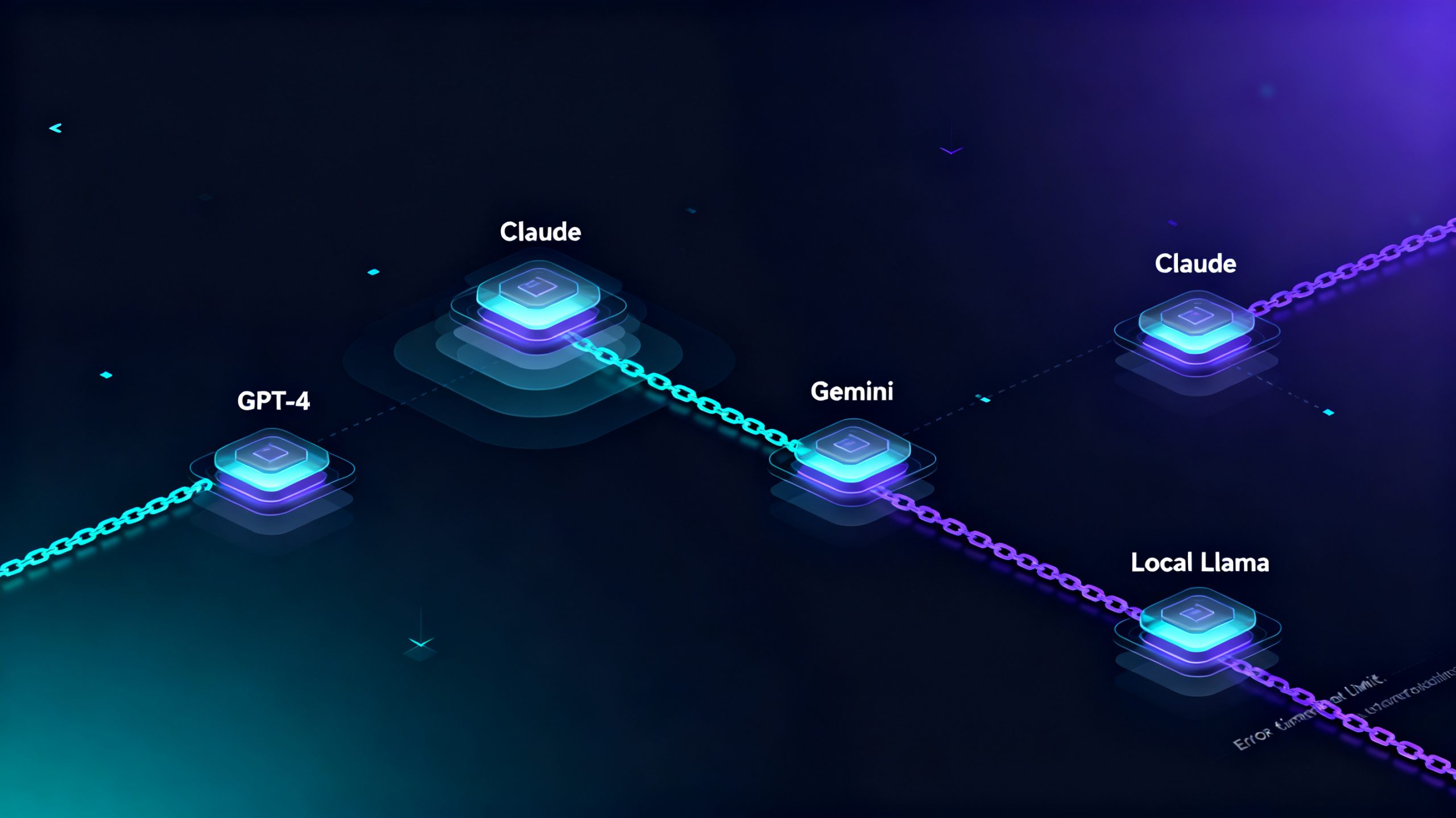
After switching to RouteAI, you don’t need to add new API clients to call other models. You can call DeepSeek, Qwen, GLM, Kimi, MiniMax and all other supported models by just changing the `model` parameter in your existing OpenAI chat completion call. You can test new models, A/B test performance, and switch models for different use cases without ever changing your core API code.
5. Zero-Risk Gradual Migration With Traffic Splitting
You don’t have to cut over 100% of your traffic on day one. Start by routing 10% of requests to RouteAI to test responses, latency and error rates, then gradually increase traffic as you confirm stability. If you run into any issues, you can switch back to OpenAI instantly by changing the environment variable back, no rollback deployments needed.
Right vs Wrong: How Teams Waste Weeks On LLM Migration
We’ve talked to dozens of dev teams that wasted weeks on LLM switches, almost all making these same avoidable mistakes:
❌ Wrong approach 1: Manually rewrite every API call, build custom error handling and parameter mapping for a new LLM provider, wasting weeks of dev time and introducing new bugs into production.
✅ Right approach: Use a fully OpenAI-compatible gateway like RouteAI, change two lines of configuration, and keep all your existing code working exactly as it did before.
❌ Wrong approach 2: Hardcode the official OpenAI endpoint into your app, locking yourself into OpenAI price hikes, rate limits and outages with no easy way to switch providers.
✅ Right approach: Build against the standard OpenAI SDK, but use a compatible gateway layer that lets you swap providers and models in seconds without code changes.
❌ Wrong approach 3: Build and maintain your own compatibility layer to translate requests between different LLM providers, spending ongoing engineering time keeping up with provider API changes.
✅ Right approach: Use a maintained compatible gateway that handles all format translation, new model support and error normalization out of the box, so you can focus on building product features.
Migrate To RouteAI In 3 Steps, Zero Code Refactoring
The entire migration process takes less than 10 minutes, with no new dependencies or major code changes:
- Create a free RouteAI account and generate an API key in the dashboard
- Top up any amount (no minimum, balance never expires)
- Change your OpenAI client base URL and API key in your environment variables
Standard Python OpenAI SDK example, works exactly like official OpenAI:
from openai import OpenAI

# Only two lines changed from official OpenAI
client = OpenAI(
    api_key="YOUR_ROUTEAI_API_KEY",
    base_url="https://api.fastrouteai.com/v1"
)

# All your existing request code stays exactly the same
response = client.chat.completions.create(
    model="deepseek-v4-pro",
    messages=[{"role": "user", "content": "Hello world"}],
    stream=True
)
for chunk in response:
    print(chunk.choices[0].delta.content, end="")
It even works natively with LangChain without any custom wrappers:
from langchain_openai import ChatOpenAI

llm = ChatOpenAI(
    model="qwen-3.7-max",
    api_key="YOUR_ROUTEAI_API_KEY",
    base_url="https://api.fastrouteai.com/v1"
)
print(llm.invoke("Explain LLM API compatibility").content)
All existing function calling, streaming, JSON mode and RAG code will work identically after the change.
Who Is This Zero-Code Migration For?
This is built for every developer and team tired of paying premium OpenAI prices: existing SaaS teams that built their product on the OpenAI SDK and want to cut costs without refactoring, AI Agent developers using LangChain/LlamaIndex who want to test multiple LLMs, side project developers looking for cheaper API rates without rewriting hobby projects, and teams that want to avoid vendor lock-in so they can switch models or providers whenever they want.
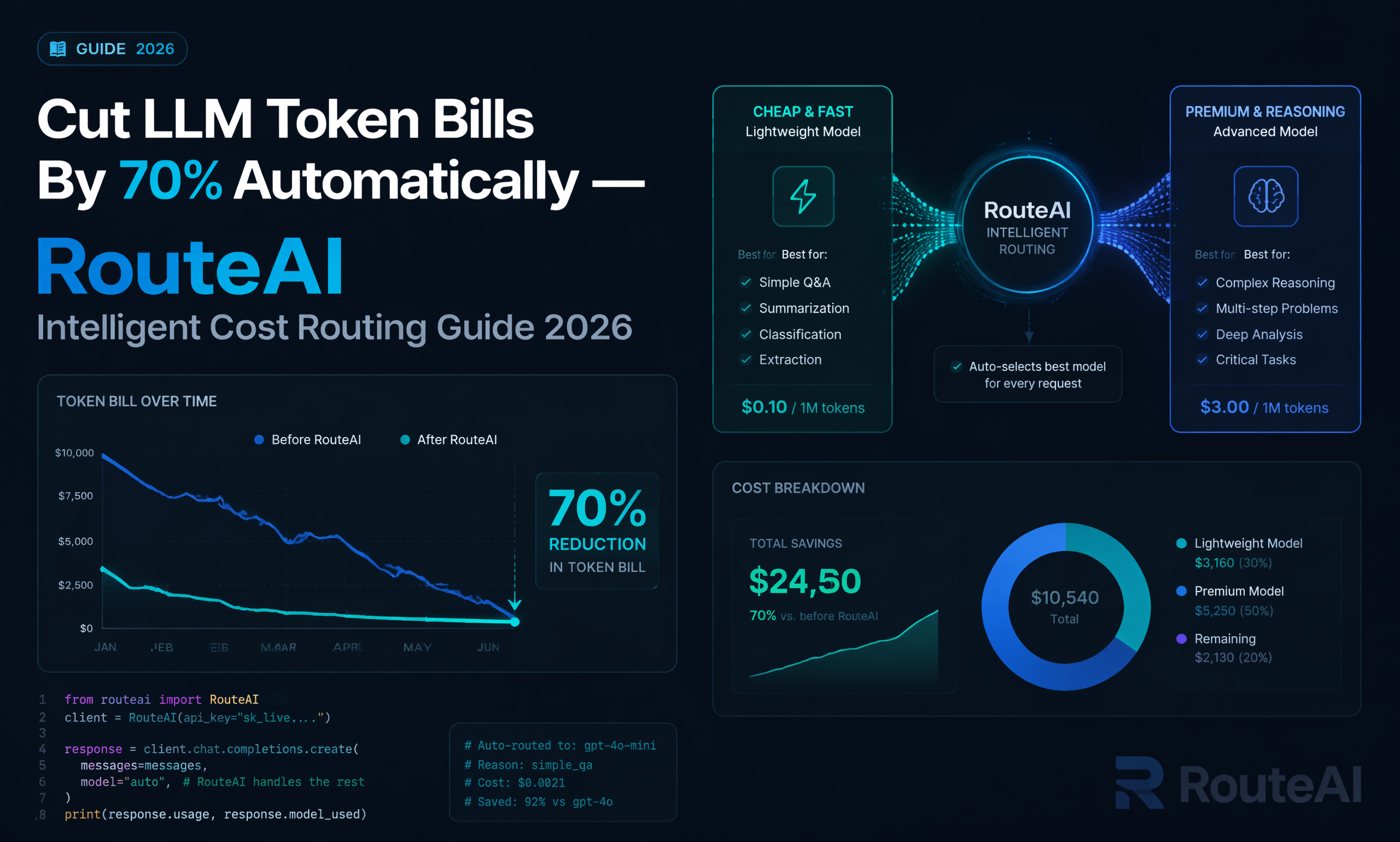
If you want to cut your LLM bill by 70% without weeks of code rewriting and bug fixing, test RouteAI today with a small top-up to run test requests against your existing code. For enterprise migration support or custom traffic splitting setups, reach out to the team directly via Telegram Business for personalized technical help.
My pro tip for teams migrating production traffic: don’t rush a full cutover. Start by routing 10% of your read-only, non-critical traffic to RouteAI for 24 hours, compare response quality and latency against OpenAI, then gradually increase traffic share. Most teams see identical response quality at a fraction of the cost, and the zero-downtime migration means you can roll back instantly if you run into any issues. You have nothing to lose by testing, and you could cut your monthly AI bill by 70% before your next billing cycle.