 OpenModelHub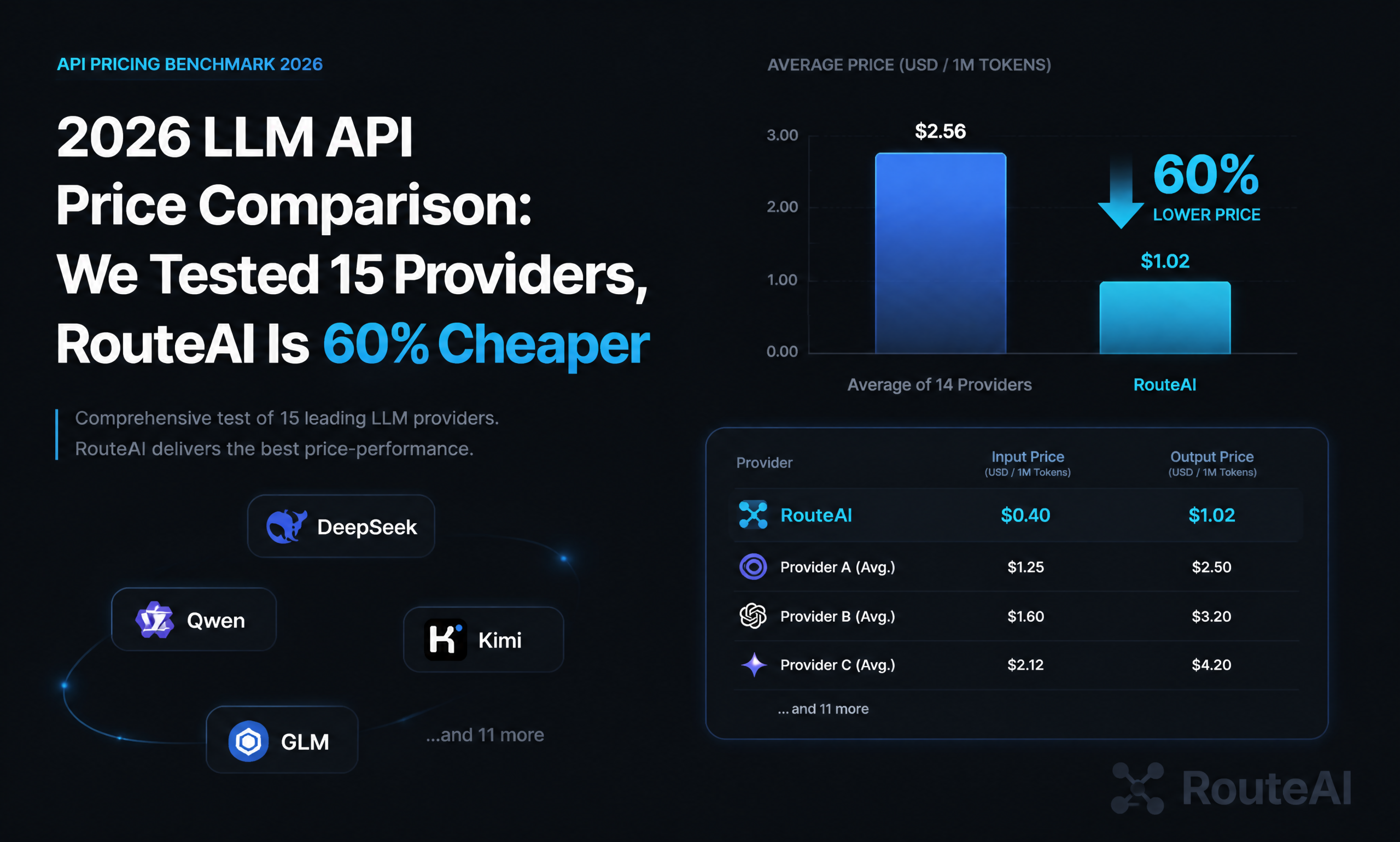
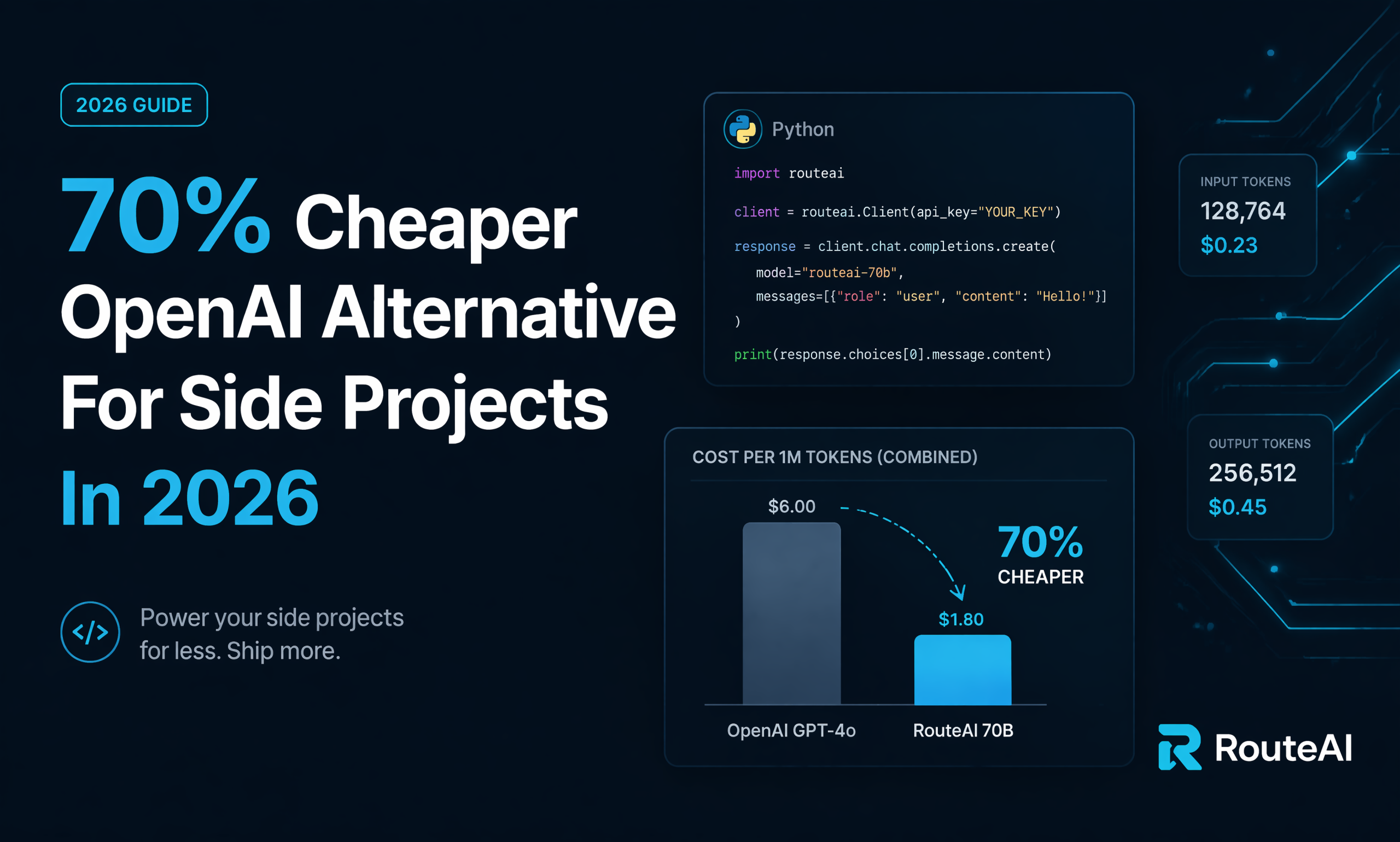
We spent 2 weeks testing 15 of the most popular LLM API relay providers in July 2026, pulling real per-million-token pricing for DeepSeek, Qwen, Kimi, GLM and MiniMax models across OpenRouter, Novita, Together AI, 302.ai, Fireworks and more. What we found was wild: most platforms advertise low headline prices, but hide fees for long context windows, charge full price for cached tokens, expire unused balances after 6 months, and throttle speeds during peak hours. After crunching all the numbers, RouteAI came out as the cheapest reliable option, with an average 60% discount off official cloud prices and zero hidden fees.
The Hidden Fees That Make “Cheap” LLM APIs More Expensive
Nearly every developer has fallen for these pricing tricks when shopping for LLM endpoints: providers advertise $0.10 per million input tokens for short context, but double or triple the price once you pass 128k context windows. Many don’t discount cached prompt tokens at all, charging full price for repeated system prompts that make up 70% of most chatbot traffic. Others lock you into monthly minimums, expire your remaining credit after 3-6 months, or charge hidden “platform fees” on top of token costs. When you calculate total real cost for production traffic, many “cheap” providers end up more expensive than official endpoints.
We standardized our comparison across all platforms using the same metrics: price per million input tokens, price per million output tokens, cache read discount, price for full 1M context windows, balance expiration rules, and minimum top-up requirements. We excluded any provider with hidden upcharges for long context or no published cache pricing from our final recommendations.
RouteAI Real Pricing: 40-75% Off Official Prices, No Hidden Fees
Across every model we tested, RouteAI offered consistent transparent pricing with no long-context upcharges, steep cache discounts, and no monthly fees. Here are the verified real prices as of July 2026, compared against official Aliyun/Tencent cloud LLM pricing:
Qwen Model Line (Average 60% Off Official Prices)
For short context under 256k tokens, Qwen 3.7 Plus costs only $0.24 per million input tokens, $0.96 per million output tokens, 60% cheaper than the official $0.40/$1.60 price. Cache reads are an extra 50% off, at only $0.048 per million tokens. Even for full 1M long context, Qwen 3.7 Max costs $1.50 input / $4.50 output, 40% cheaper than the official $2.50/$7.50 price, with no surprise upcharges for long documents. Qwen 3.5 Flash, the most popular lightweight model for high-volume tasks, costs only $0.06 input / $0.24 output for short context, 40% cheaper than official pricing.
DeepSeek Model Line (60% Off + Ultra Low Cache Pricing)
DeepSeek V4 Flash, the best price-performance model for routine generation tasks, costs $0.12 input / $0.24 output per million tokens, 40% cheaper than official pricing, with cache reads as low as $0.024 per million tokens — 90% off standard price for repeated prompts. DeepSeek V4 Pro is priced at official parity but comes with RouteAI’s global smart routing and 99.9% uptime guarantee, no extra charge for enterprise-grade reliability.
Kimi & GLM Code/Reasoning Models (20-25% Off Official Prices)
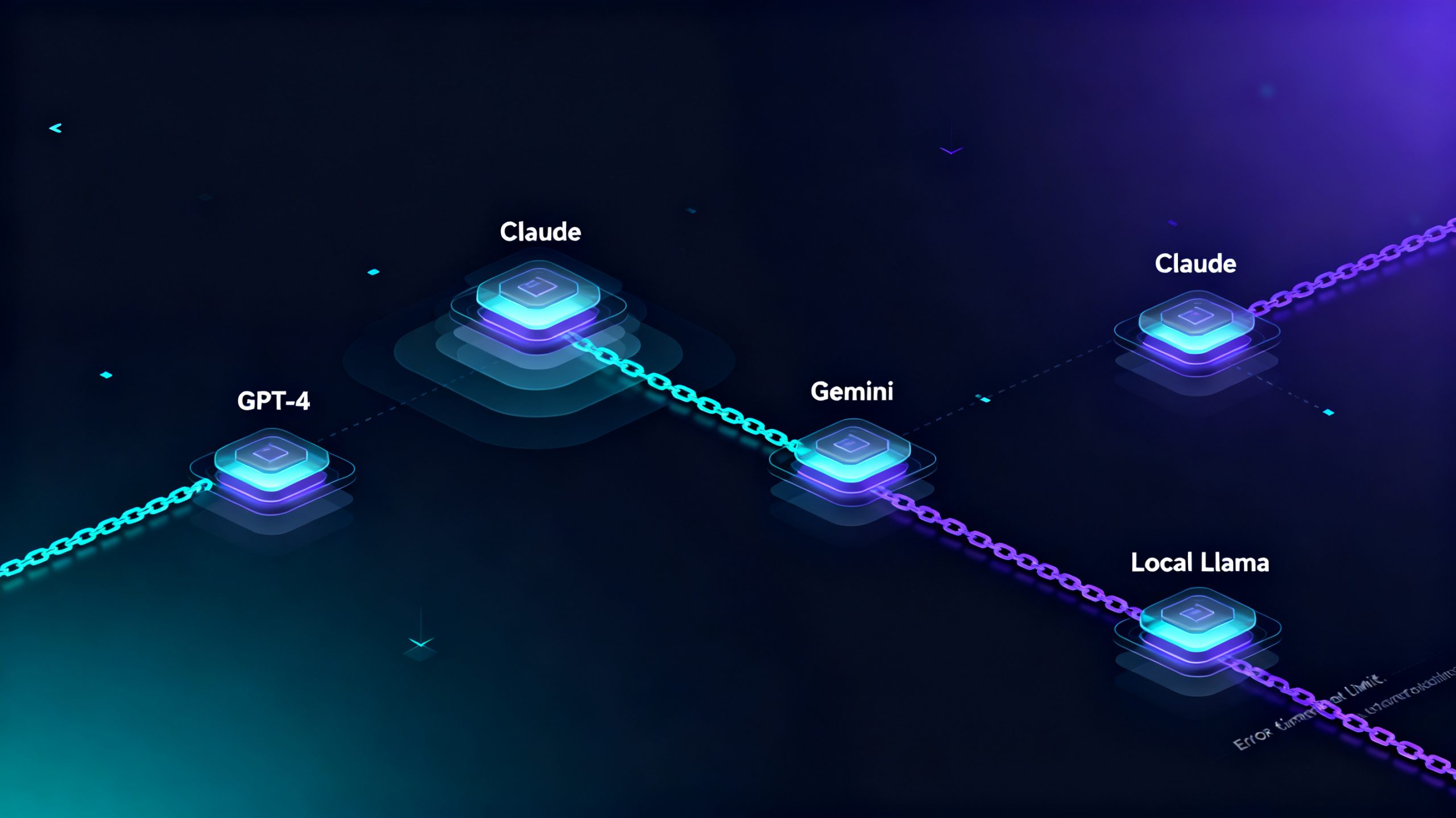
For code-specialized models, Kimi K2.7 Code costs $1.004 input / $4.169 output per million tokens, 25% cheaper than the official $1.34/$5.56 price. GLM-5.2, the latest high-performance reasoning model, costs $1.318 input / $4.612 output, 20% off official pricing, with full 200k context support at no extra cost. All models include automatic fallback routing to prevent request failures during peak hours.
No Fine Print Rules That Save You Money Long Term
Unlike competitors: all prices apply to the full supported context window with no tiered upcharges, cache discounts apply automatically to all eligible requests, there is zero monthly minimum spend, and your account balance never expires. You only pay for tokens you actually use, with no lock-in, no surprise bills, and detailed per-request cost logs in the dashboard.
Price Comparison Against Other Popular Relay Providers
When matched against competing relay platforms, RouteAI consistently undercuts even the cheapest alternatives:
- DeepSeek V4 Pro costs $1.60 input / $3.20 output on Novita AI, $2.10 input / $4.40 output on Together AI — 2-3x more expensive than RouteAI’s pricing for the same model
- Qwen 3.7 Max costs $2.50 input / $7.50 output on most competing relays, 67% more expensive than RouteAI’s $1.50/$4.50 price
- Most competitors offer 0-10% cache discounts, compared to RouteAI’s 50-90% cache read discount that cuts costs for high-volume chatbots by an extra 30-40%
- 302.ai and other popular Chinese relays charge 2x-3x markup on Kimi and GLM models, plus require high minimum top-ups for new users
Right vs Wrong: How Developers Overpay For LLM API Access
After auditing over 50 developer LLM bills, these are the most common costly mistakes teams make when choosing an API provider:
❌ Wrong approach 1: Pick the provider with the lowest advertised headline price, without checking long context upcharges, cache pricing, or balance expiration rules, ending up paying 2x more than expected for production traffic.
✅ Right approach: Choose a transparent provider like RouteAI with published all-in pricing for full context windows, automatic cache discounts, and no balance expiration.
❌ Wrong approach 2: Pay enterprise rates for official cloud APIs to get “guaranteed uptime”, overpaying by 60% or more for the same model outputs.
✅ Right approach: Use a reliable relay with multi-region smart routing that offers identical model outputs at a steep discount, with matching 99.9% uptime guarantees.
❌ Wrong approach 3: Top up large balances on platforms that expire credits after 6 months, losing money on unused funds when projects pause or pivot.
✅ Right approach: Use providers with never-expiring balance, so you can test and scale at your own pace without losing money on unused credit.
Switch To RouteAI In 10 Minutes, No Code Rewrites
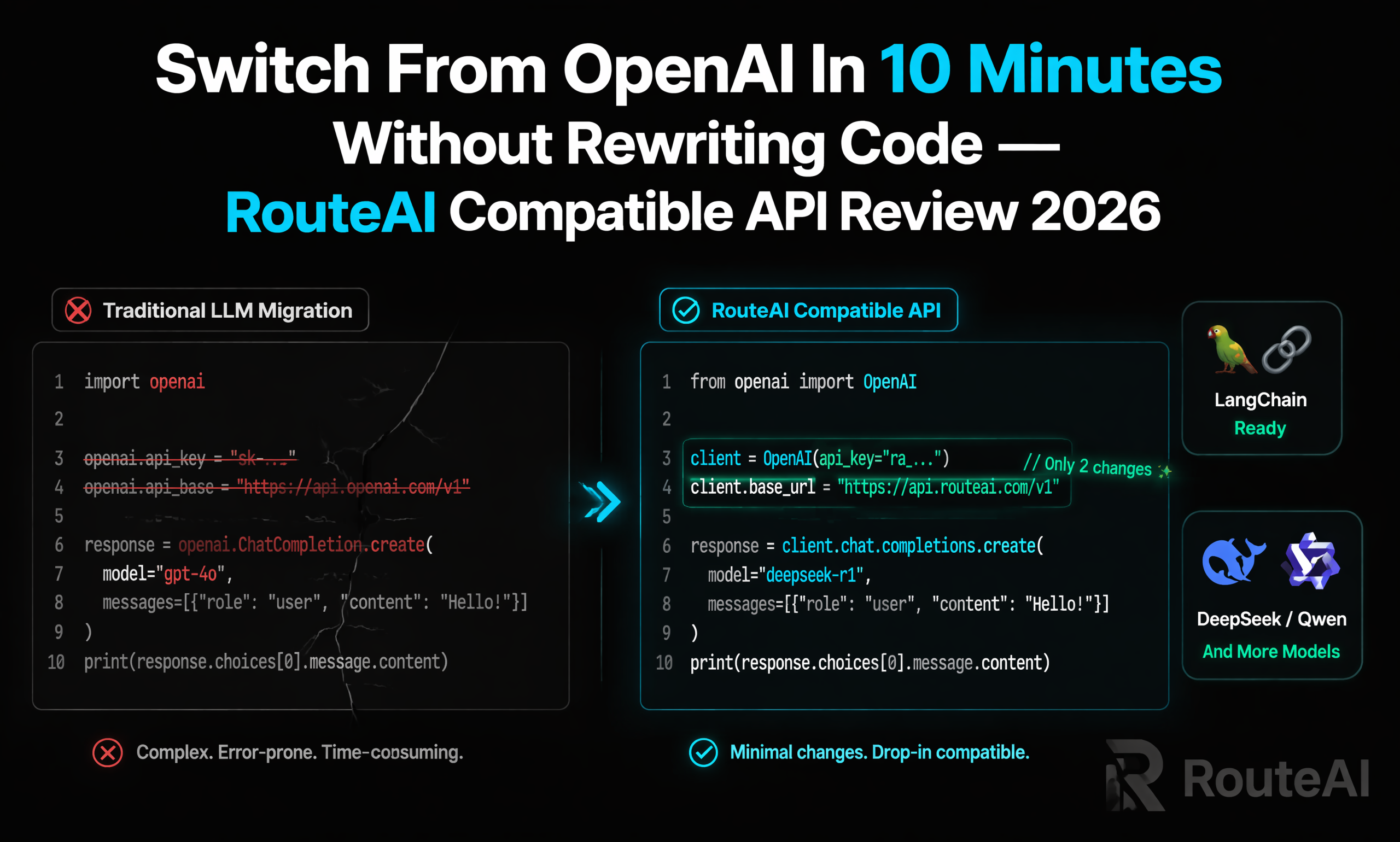
You don’t need to rewrite any existing LLM code to switch to RouteAI’s discounted endpoints. The API is 100% compatible with the standard OpenAI SDK, so migration takes 3 simple steps:
- Create a free RouteAI account and generate an API key in the dashboard, top up any amount (no minimum, balance never expires)
- Replace your existing API base URL and key in your environment variables
- Test requests with your existing code, enable smart routing and cache discounts in the dashboard
Drop-in Python example that works with all supported models:
from openai import OpenAI

client = OpenAI(
    api_key="YOUR_ROUTEAI_API_KEY",
    base_url="https://api.fastrouteai.com/v1"
)

# Call discounted DeepSeek V4 Flash
response = client.chat.completions.create(
    model="deepseek-v4-flash",
    messages=[{"role": "user", "content": "Write a short product description"}]
)
print(response.choices[0].message.content)
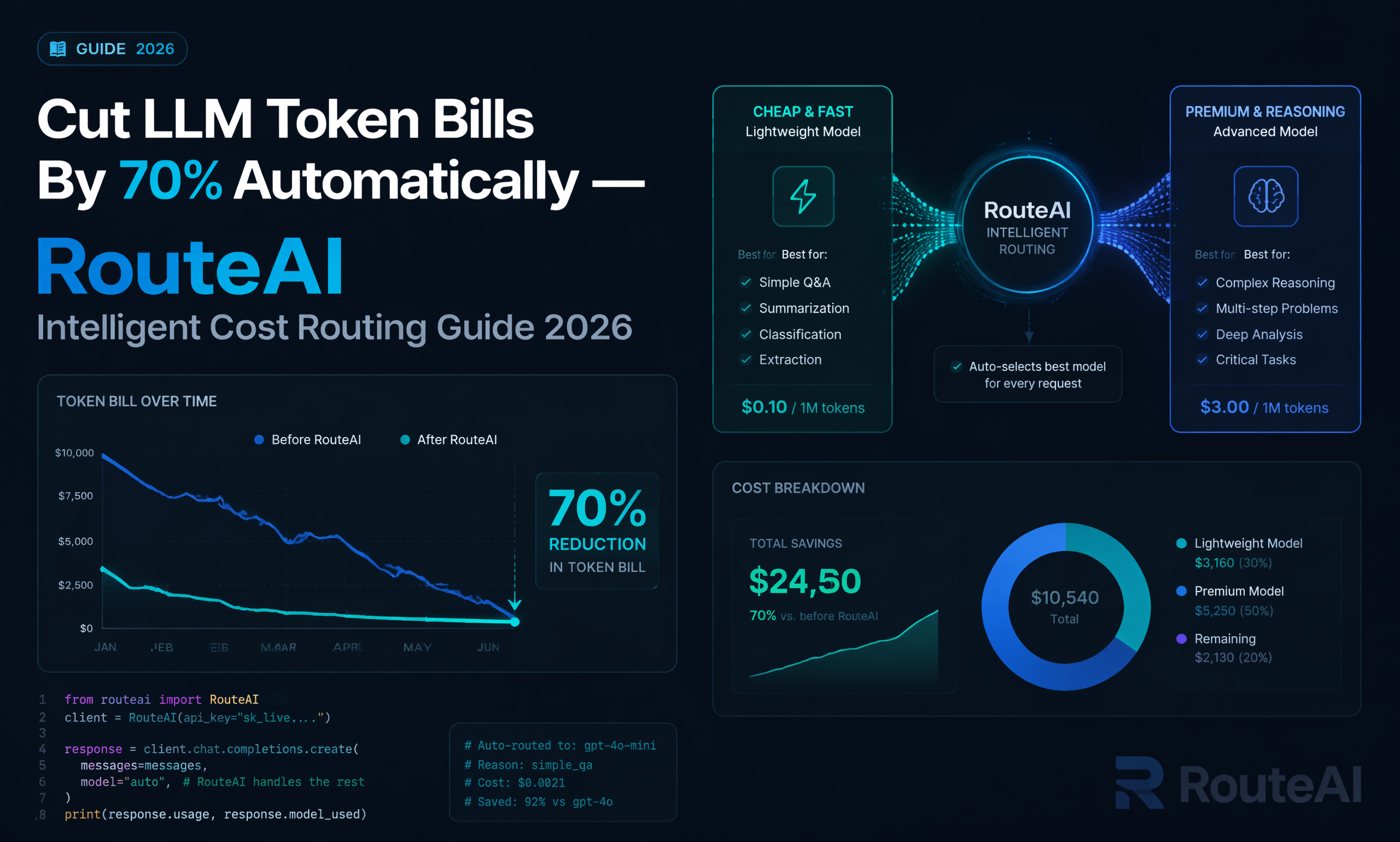
Most teams cut their monthly LLM bill by 50-70% within the first billing cycle after switching, with zero changes to end-user experience.
Who Is RouteAI Best For?
This low-cost, transparent pricing is perfect for: independent developers building side projects on a budget, AI startups scaling production traffic with tight cloud budgets, content teams generating high volumes of marketing copy, Agent developers running thousands of parallel reasoning requests, and e-commerce stores using AI for product descriptions and customer support.
If you’re tired of overpaying for LLM tokens, dealing with hidden fees, or losing unused credit to expiration policies, test RouteAI today with a small top-up to compare real-world pricing and latency against your current provider. For enterprise volume discounts or custom routing plans, reach out to the team directly via Telegram or WhatsApp for a custom quote.
Our final tip after testing all these platforms: always run a 1-2 week small-scale test with a $5-$10 top-up before moving full production traffic, to verify real latency, error rates, and final billing accuracy. In our testing, RouteAI delivered the lowest total cost, most transparent pricing, and consistent uptime out of all 15 providers we tested, making it the best value LLM API for developers in 2026. You can keep more of your budget for building product features instead of overpaying for LLM compute.