 OpenModelHub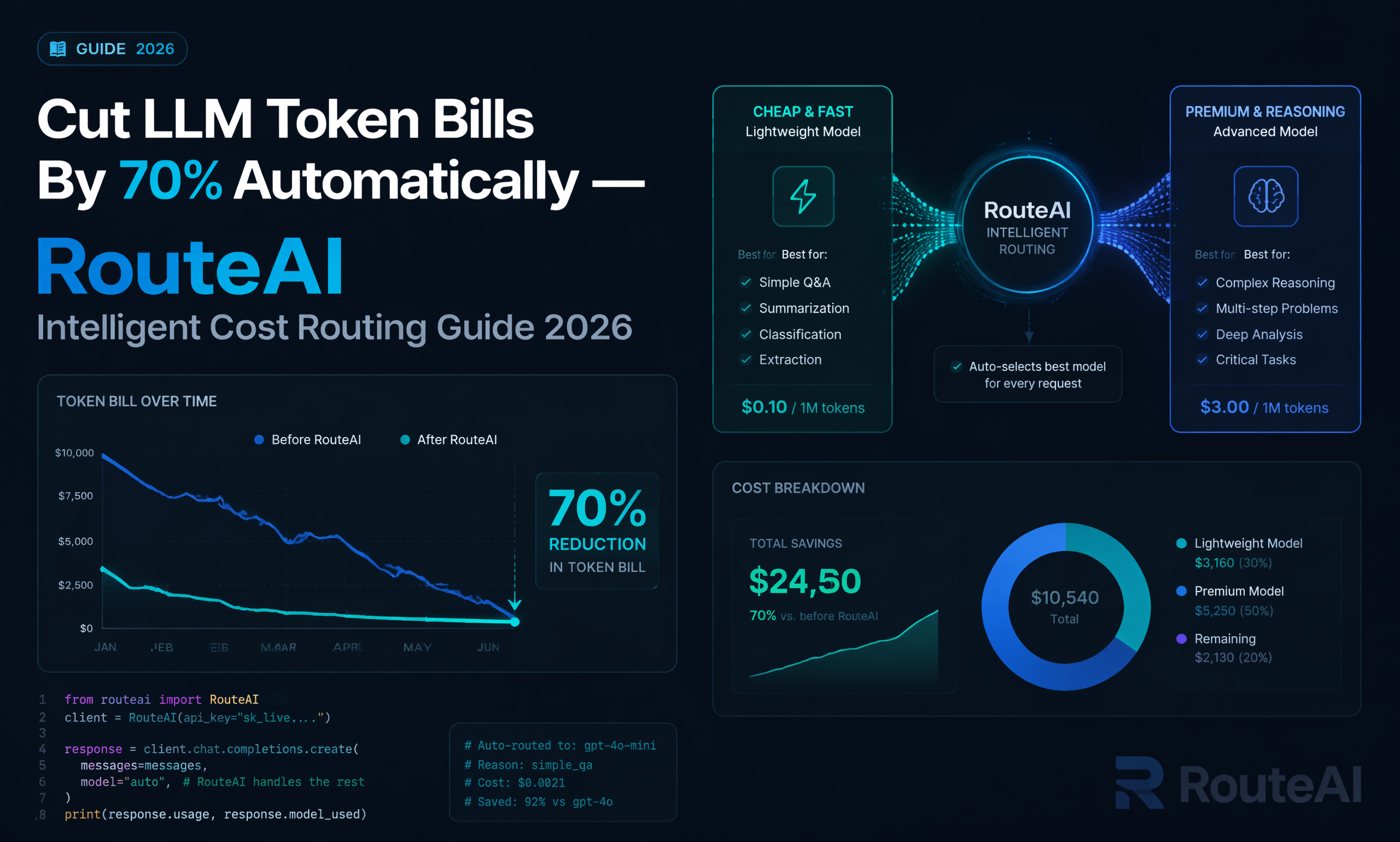
If your monthly LLM API invoice keeps spiking as user traffic grows, you’re almost certainly wasting massive sums of tokens on overkill model calls. Our SaaS customer support bot once sent every single user query to a high-price reasoning model, whether it was a 1-sentence FAQ lookup or complex business data analysis. After 3 months, our AI bill hit $3,200 per month — and internal analysis showed 72% of requests only needed cheap lightweight LLMs, with zero need for flagship large models. Manually rewriting routing logic to separate simple and complex requests took 5 dev days, until we switched to RouteAI’s native automatic cost routing to eliminate that waste entirely.
Why Your LLM Token Bills Keep Rising Uncontrollably
Nearly every growing AI team makes the same costly mistake: hardcoding one single high-end LLM for all user traffic. Every trivial task — basic question answering, keyword extraction, short text translation, simple classification — consumes expensive premium tokens that multiply costs linearly as users increase.
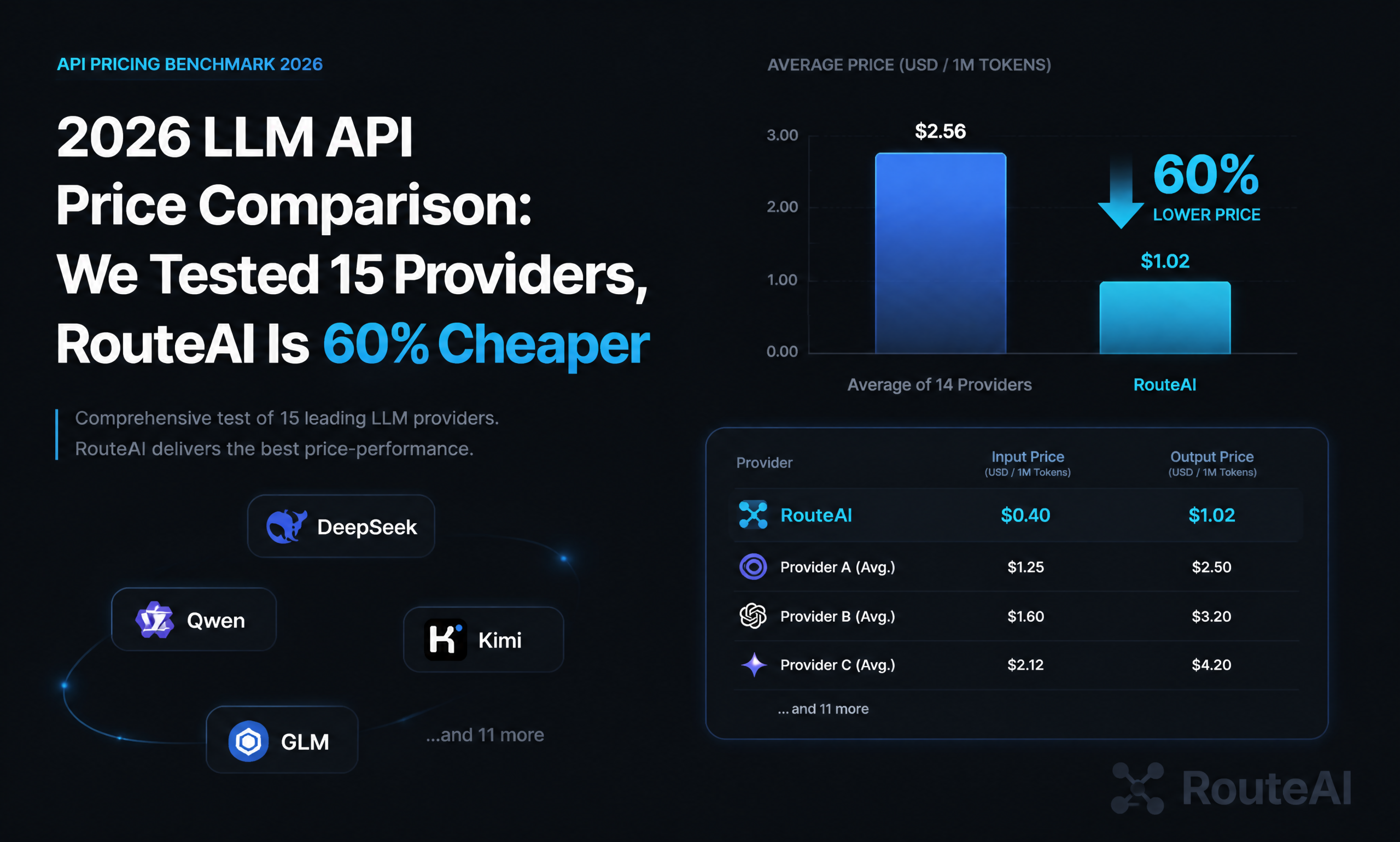
Building custom tiered routing logic in-house brings new engineering burdens: you need to write prompt classification filters, maintain model priority rules, handle fallback logic when cheap models hit limits, and continuously update price thresholds as LLM vendors adjust token pricing. Small engineering teams lack bandwidth to maintain this infrastructure layer full-time, leaving companies overspending thousands every month without a simple fix. Many developers don’t realize intelligent routing can slash costs by 60%–75% with zero code changes to existing production applications.
Core Cost-Saving Features Of RouteAI Intelligent LLM Routing
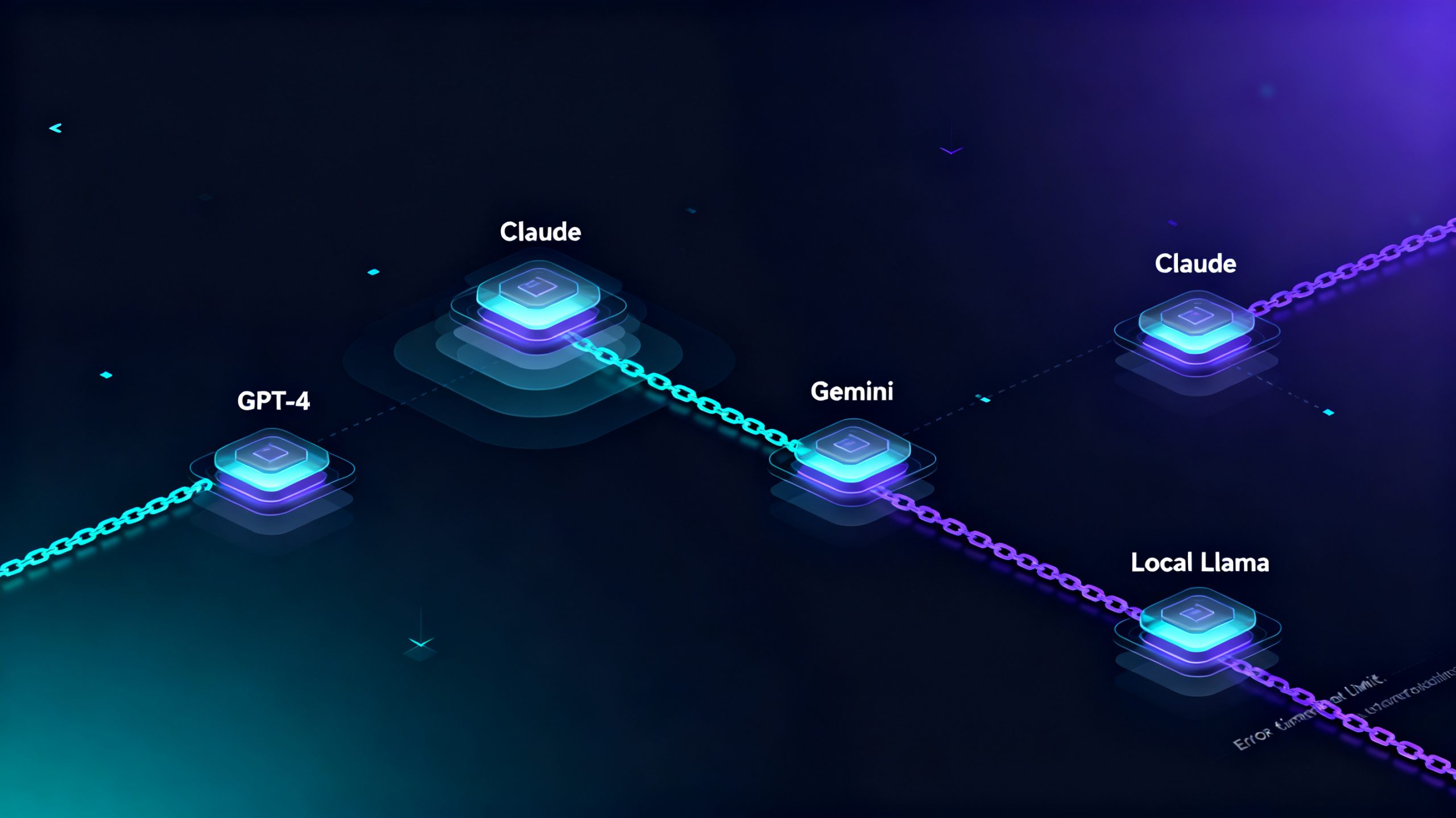
RouteAI embeds fully automatic cost-based routing into its unified OpenAI-compatible API gateway, eliminating manual routing scripts and unnecessary premium token consumption. You define task tier rules once in the dashboard, and the platform distributes requests to the cheapest capable model in real time, all through one shared endpoint:
1. Auto Tiered Routing By Task Complexity, Zero Code Rewrites
You set simple rules in the admin panel: send short FAQs, text summaries, keyword extraction and basic translation to low-cost lightweight models; route long document reasoning, complex math logic and multi-step business analysis to premium high-performance LLMs. The routing judgment runs on the gateway layer, so your Python/Node/LangChain client code stays unchanged. After we enabled tiered routing on our chatbot, monthly token spending dropped from $3,200 to $960 with no visible quality loss for end users.
2. Real-Time Token Price Comparison Across All Integrated Models
RouteAI syncs live input/output token pricing from every supported LLM vendor daily. When one provider cuts its lightweight model rates, the gateway automatically shifts matching low-complexity traffic to that cheaper option without any manual config updates. You no longer need to manually track dozens of provider pricing pages to chase cost savings — the platform optimizes traffic distribution 24/7 in the background.
3. Built-In Request Caching To Eliminate Duplicate Token Charges
Identical or near-identical user prompts trigger cache hits automatically, drastically cutting repeated token consumption for frequently asked support questions, standard template generation and static document summaries. Cache requests charge a fraction of normal token rates, reducing repeat call costs by up to 90% for high-volume FAQ traffic, with no extra Redis or database setup required on your server side.
4. Unified Granular Cost Analytics Per Model & Request Tier
The dashboard splits monthly spending into clear visual breakdowns: how much you spent on lightweight tier traffic, premium reasoning model calls, and cached requests. You can filter cost data by user segment, API route or time window to spot wasteful request patterns, and export itemized invoices with exact token counts for every model. No more cross-referencing separate billing dashboards to calculate total AI infrastructure overhead.
5. Quality Guardrails Prevent Blind Cost-Cutting At The Expense Of UX
You set hard quality thresholds to avoid routing complex tasks to underpowered cheap models. If the gateway detects a long context window, multi-step logic or technical reasoning prompt, it automatically escalates the request to a flagship model regardless of cost rules. Balance maximum savings with consistent response quality without manual oversight.
Right vs Wrong: How Teams Waste Thousands On Unoptimized LLM Traffic
After auditing dozens of SaaS AI backend cost structures, these three expensive anti-patterns appear consistently across small and mid-sized engineering teams:
❌ Wrong approach 1: Hardcode a single premium reasoning model for 100% of user requests, paying maximum token rates for trivial, low-complexity queries.
✅ Right approach: Deploy automatic tiered cost routing via RouteAI to split traffic between lightweight budget LLMs and high-end models based on prompt complexity.
❌ Wrong approach 2: Build and maintain custom prompt classification scripts to manually route requests, consuming engineering hours on infrastructure instead of user-facing features.
✅ Right approach: Configure visual routing rules in the RouteAI dashboard with zero backend code modifications, fully managed by the gateway platform.
❌ Wrong approach 3: Ignore repeated identical user prompts, paying full token prices for thousands of duplicate support requests every month.
✅ Right approach: Enable native request caching to slash duplicate token costs automatically without self-hosted cache infrastructure.
Enable Auto Cost Routing In 3 Minutes With Existing Code
You do not need large-scale backend refactoring to activate RouteAI’s cost-saving routing layer, the full setup process takes under 5 minutes in total:
- Log into your RouteAI dashboard and open the Routing Rules panel
- Create tier filters: define low-complexity prompt keywords, context length limits and task categories for lightweight model traffic
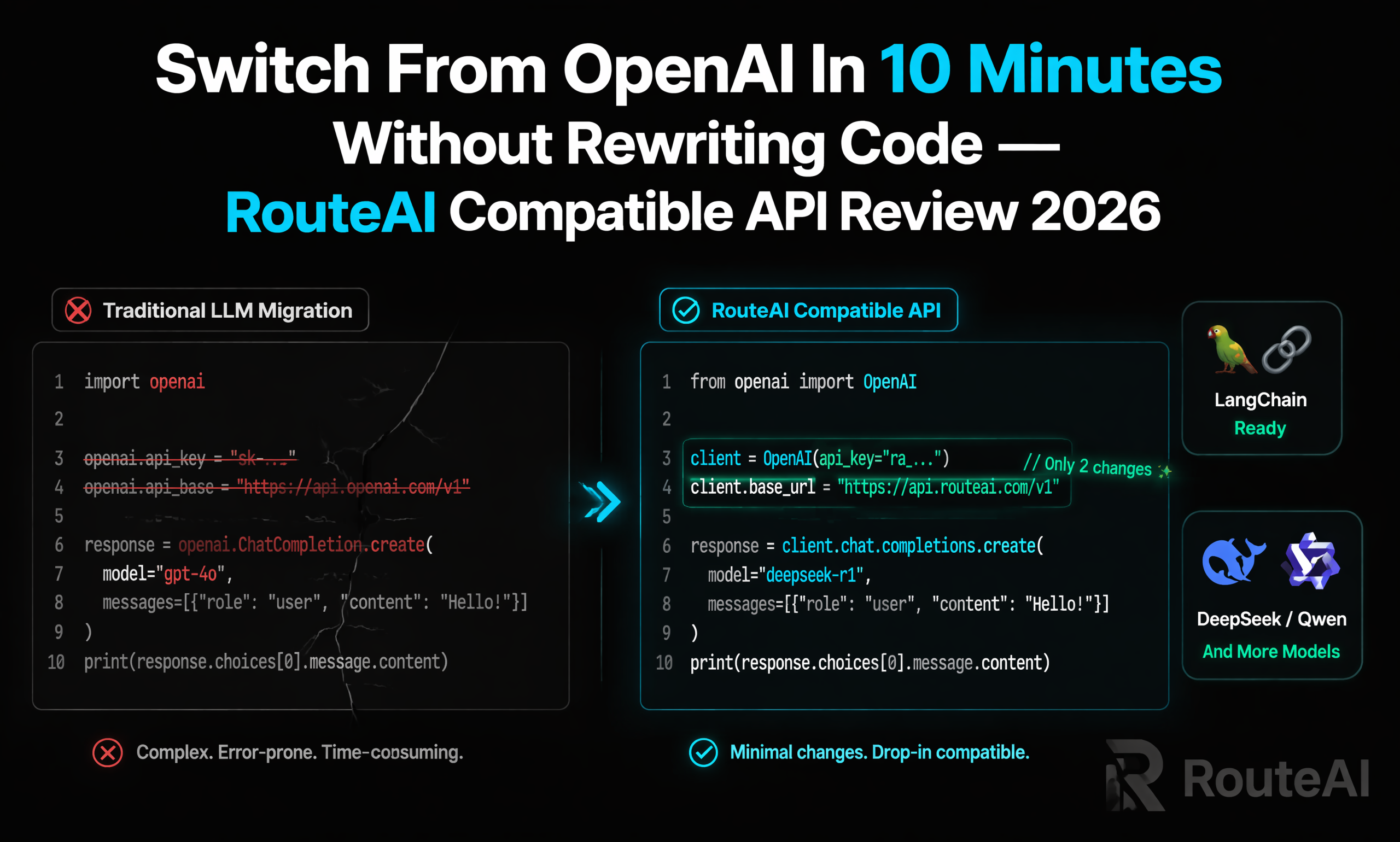
- Keep your original OpenAI SDK client code unchanged — all routing logic runs transparently on the gateway
Production-ready Python code sample that works identically after enabling cost routing:
from openai import OpenAI

# Unified RouteAI endpoint, all routing logic handled server-side
client = OpenAI(
    api_key="YOUR_ROUTEAI_API_KEY",
    base_url="https://api.fastrouteai.com/v1"
)

# Simple FAQ query: auto routed to cheap lightweight model
faq_response = client.chat.completions.create(
    model="auto-cost-optimized",
    messages=[{"role": "user", "content": "How do I reset my account password?"}]
)

# Complex business analysis: auto escalated to high-performance reasoning model
analysis_response = client.chat.completions.create(
    model="auto-cost-optimized",
    messages=[{"role": "user", "content": "Analyze quarterly sales data and forecast 12-month revenue growth with risk breakdown"}]
)
print(analysis_response.choices[0].message.content)
By setting the model parameter to auto-cost-optimized, RouteAI judges each prompt’s complexity independently and picks the lowest-cost capable LLM automatically — no manual model switching required in your application code.
Who Needs Automatic LLM Cost Routing?
This cost optimization system is essential for any AI product with growing user traffic: SaaS customer support chatbots processing thousands of daily FAQ queries, AI content generation tools mixing short captions and long reports, enterprise internal assistants handling simple document lookup and advanced data analysis, multi-user AI playground platforms with mixed light/heavy user prompts, and startup teams with tight monthly cloud infrastructure budgets.
If you are tired of unpredictable, sky-high LLM token invoices and want to cut AI operating costs without rebuilding your backend stack, test RouteAI’s intelligent cost routing today. Start with a small credit balance to monitor real-time token savings before scaling full production traffic. For custom enterprise routing rules, dedicated model capacity or volume-based pricing discounts, reach the technical team via official Telegram business channel or WhatsApp for personalized support.
The most impactful cost optimization tip for AI engineering teams: enable automatic tiered routing early before your user base scales, rather than reacting to massive monthly bills after growth. RouteAI’s gateway eliminates all custom routing maintenance work, combines real-time price matching and built-in caching to minimize token waste, and delivers clear consolidated cost metrics to track your monthly savings over time. Instead of wasting engineering bandwidth building and maintaining in-house LLM traffic control layers, you can redirect development resources to building unique user features while automatically cutting your AI infrastructure spend by 70% or more.